
Believe the hype
Every year, Apple and Samsung roll out the stagecraft.
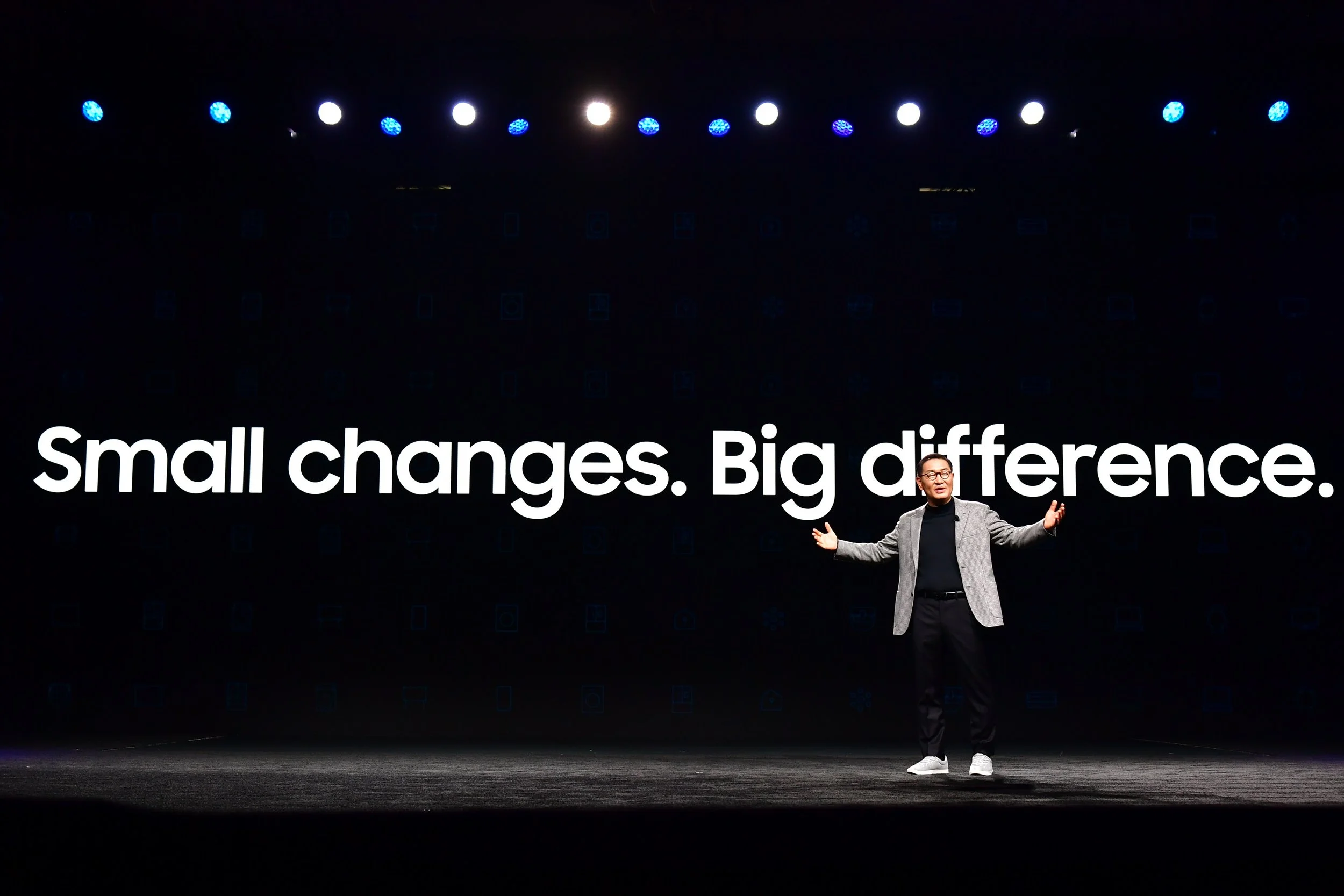
The lights dim. The music swells. Executives walk on stage to applause that feels rehearsed and sincere at the same time. New phones, tablets and wearables are revealed to an audience that already knows most of the specs. They even release trailers before the main event, like feature films vying for attention.
As we approach Samsung Unpacked at the end of February, you could be forgiven for wondering why these events still generate buzz at all. Smartphones are mature. Upgrades are incremental. The rumour mill means Samsung is often unpacking what people already know, while Apple “events” can feel more like confirmations.
But there was a time, ironically before the internet that now connects every one of these devices so completely, when these launches did not just refresh products. They changed technology forever.
One hand in my pocket
In October 2001, Steve Jobs stood on stage and described the iPod as “a thousand songs in your pocket”. MP3 music players already existed. None of them had explained themselves so clearly, and none of them were linked to iTunes. The Apple ecosystem that now binds its devices together was beginning to take shape.
It happened again with the iPhone. Jobs introduced it as “an iPod, a phone and an internet communicator.” From that moment he landscape shifted. It also signalled the beginning of the end for BlackBerry.
Then came the moment that felt like a magic trick. In 2008, Jobs unveiled the MacBook Air by pulling it from a plain manila envelope. No flashy demo. Just a visual metaphor that said everything about what Apple wanted the product to be.
In those heady days, people queued overnight as buyers waited to be first. Every iPhone launch felt like a reset. News bulletins led with phone announcements.
Samsung, the Quiet Achiever
Samsung’s defining moments arrived differently. While Apple focused on refining individual products, Samsung pushed form and variety. Its flagship Galaxy range offered a top-end rival to the iPhone, often pushing features faster, while also covering a wide spread of price points that benefited from those advances.
Then Samsung flipped the narrative. Literally.
The Samsung Galaxy Fold and Samsung Galaxy Flip were imperfect at launch, but they reopened a conversation that had stalled. Phones could change shape. Screens could bend and survive. They did not dominate overnight, but they proved something important: meaningful innovation now often arrives awkwardly before it arrives polished.
In that sense, Samsung differs from Apple, which has yet to release a folding device more than six years after Samsung led the way.
Has the Magic Gone?
Those big moments feel further behind us now. It has been more than a decade since Apple launched the Apple Watch. Nothing feels exciting enough to warrant sleeping on the footpath just to be first.
The reason is not that companies stopped trying. It is that their products became very good, very quickly. And the internet stopped keeping secrets.
Leaks appear months in advance. Supply chains talk. CAD drawings surface. Influencers publish “first looks” at devices they have never touched. By the time a CEO steps on stage, the big reveal is about as surprising as waking up and discovering the day still has 24 hours in it.
There have also been missteps. Apple’s Vision Pro, for all its ambition, has not taken the world by storm.
More importantly, smartphones and smartwatches have become infrastructure rather than novelty. Essential, but rarely thrilling.
You Can’t Always See Progress
And yet, Apple and Samsung launches endure for the same reason people still talk about those earlier moments.
Change now happens more gradually. Amid incremental improvements to screens, batteries and cameras, smaller shifts occur that alter behaviour almost unnoticed. Apple’s recent Watch campaigns focus heavily on health, and for many people it has quietly become part of daily fitness routines.
It is not glamorous. It is effective.