
Wine, Not
A label, a region, a producer’s name - these are the signals buyers rely on when choosing what to drink or collect. But with multiple ways to tamper with what’s in the bottle - through refilling, mislabelling or misrepresentation - that trust is increasingly under strain.
While the most notorious cases involve rare bottles selling to collectors for eye-watering sums, the reality is broader - and closer to the local bottle shop - than many drinkers realise.
Collector’s Items
At the prestige end of the market, tales of counterfeit wine have become legend. A 2024 BBC report highlighted a sophisticated fraud operation passing off poor-quality wine as rare vintages worth up to AUD$25,000 a bottle, generating more than AUD$3.5 million in sales.
An even more famous example remains the scandal at the heart of the film Sour Grapes, which revealed how millions of dollars’ worth of fake Burgundy and Bordeaux were sold to some of the world’s most knowledgeable collectors, merchants and auction houses. Rudy Kurniawan was at the centre of it all, at one point selling more than AUD$35 million worth of wine at a single auction.
The forgeries were sophisticated: old bottles, convincing labels, fabricated provenance documents and carefully constructed backstories.
The buyers weren’t careless. They were experienced, well advised and deeply embedded in the wine world - and they were still fooled.
According to The Guardian, Laurent Ponsot - head of one of the Burgundy domaines targeted by Kurniawan and instrumental in exposing the fraud - believes wine counterfeiting is far more widespread than officially acknowledged. He has publicly suggested that a significant proportion of Burgundy wines purported to be from before 1980 circulating at auction today may be counterfeit.
Lightning in a Bottle
It’s easy to assume counterfeiting only affects collectors. It doesn’t.
In recent years, one of Australia’s most recognisable and affordable wine brands, Yellow Tail, has been targeted by counterfeiters in overseas markets. Fake Yellow Tail bottles - complete with convincing labels and packaging - were seized in large quantities as part of organised criminal operations.
This wasn’t about rare vintages or speculative investment. Yellow Tail retails for under ten dollars a bottle. It was about scale. Familiar branding, high volume and global reach made it an ideal target.
Counterfeiting doesn’t need prestige to work. It needs trust. But not all breaches of trust come from outside the industry.
In 2008, the so-called Brunellogate scandal rocked Italy’s Brunello di Montalcino region. Brunello’s reputation was built on strict rules: the wine must be made exclusively from Sangiovese grapes grown in a defined area of Tuscany. Investigations revealed that some producers had quietly blended in other grape varieties to improve yields or alter flavour - while still selling the wine as authentic Brunello. No bottles were refilled. No labels were forged.
But the promise made to consumers was broken.
The lesson was uncomfortable but important: provenance isn’t just about stopping counterfeiters. It’s about holding producers to account as well.
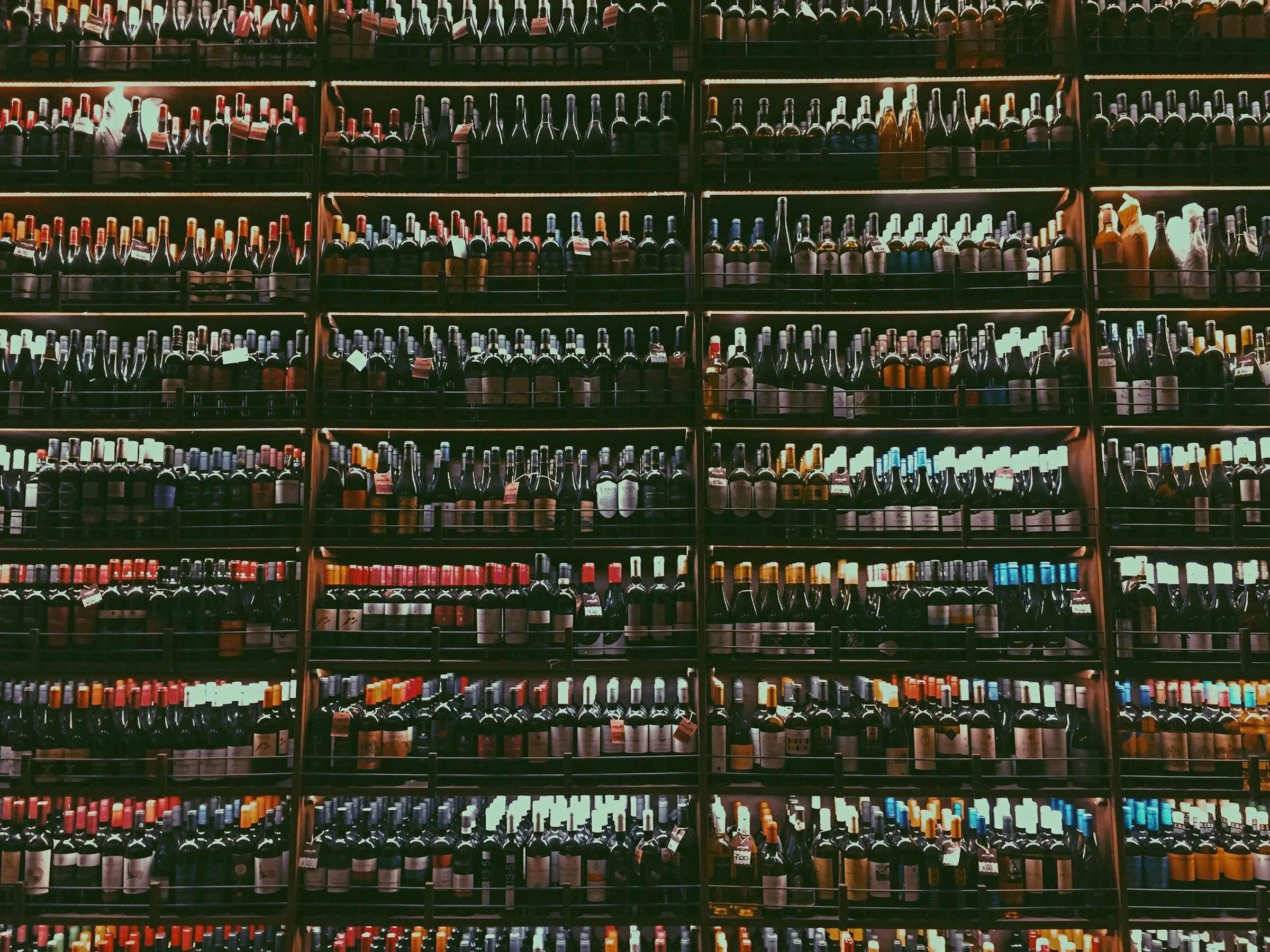
Photo by Brandy Turner on Unsplash
Genie Out of the Bottle
Authentication still relies heavily on paperwork, reputation and visual inspection. Provenance documents, storage histories and seller credibility all help - but they can be forged or exaggerated just as easily as labels.
Bottles can be refilled. Labels reproduced. Corks replaced. Capsules resealed. And once a bottle is opened, proving what was inside becomes largely academic.
Laboratory testing exists, but it’s expensive, slow and usually reactive rather than preventative. By the time suspicions are raised, the bottle has often already changed hands.
Proving the Point
At its core, wine fraud is a provenance problem. It’s no longer enough to say where a wine should come from. The challenge is proving where it actually came from - and that it hasn’t been substituted, altered or misrepresented along the way.
Wine has always been about more than what’s in the glass. It’s about the place the grapes were grown, the people who grew and made the wine, and the passion that underpins it all - and, of course, taste.
Protecting that belief matters - not just for collectors and producers, but for anyone who cares about what they’re drinking.