
Hitting the sweet spot
For the past decade, Manuka honey has dominated the honey conversation. It became the honey - the one with the fame, the premium pricing and the near-medicinal reputation. For a time, it felt like no other honey really mattered.
But tastes change. So does understanding. And quietly, from one of the most remote and pristine environments on earth, another honey is making its case.
Leatherwood.
Harvested exclusively in Tasmania, Leatherwood honey is produced from the nectar of the Leatherwood tree (Eucryphia lucida), a species found nowhere else on the planet. These trees grow in Tasmania’s wild temperate rainforests - landscapes defined by clean air, high rainfall and some of the lowest pollution levels in the world.
When Is a Manuka Not a Manuka?
Manuka honey earned its reputation. Its antibacterial properties are well documented, its medicinal uses genuine, and many of the finest Manuka honeys are still produced by Tasmanian beekeepers working in the same clean, tightly regulated environments that give Leatherwood its purity.
But it took a 2023 court case in the UK to determine whether Australian producers could even call their Manuka Manuka.
As the honey became globally recognised, more players entered the market, many trading on the name without delivering the provenance - or authentication - consumers assumed they were buying.
Global demand drove scale. Scale brought complexity - and confusion. Grading systems became harder to decipher, prices climbed, and shelves filled with products trading more on the word Manuka than on where or how they were produced. Leatherwood doesn’t suffer from that problem - largely because it can’t.
State of Origin
You can’t grow Leatherwood somewhere else and replicate it. You can’t industrialise it. You can’t separate it from the environment that creates it.
Leatherwood trees flower for just a short window annually, usually between late summer and early autumn. Tasmania’s rainforests bloom with large white flowers and a distinctive, heady aroma. Beekeepers move hives into remote forest areas for a brief, intense harvest period.
The result is a honey that feels immediately distinctive.
Pale gold and highly aromatic, Leatherwood honey has a clean, fresh flavour with hints of balsamic and spice. It’s creamy, buttery and low in acidity, melting on the palate with a uniquely complex finish unlike any other honey.
Like Tasmania’s best Manuka, it is shaped by its pristine environment. Strict biosecurity, geographic isolation and low industrial pollution mean the nectar these bees collect comes from one of the purest landscapes still available to modern food production.
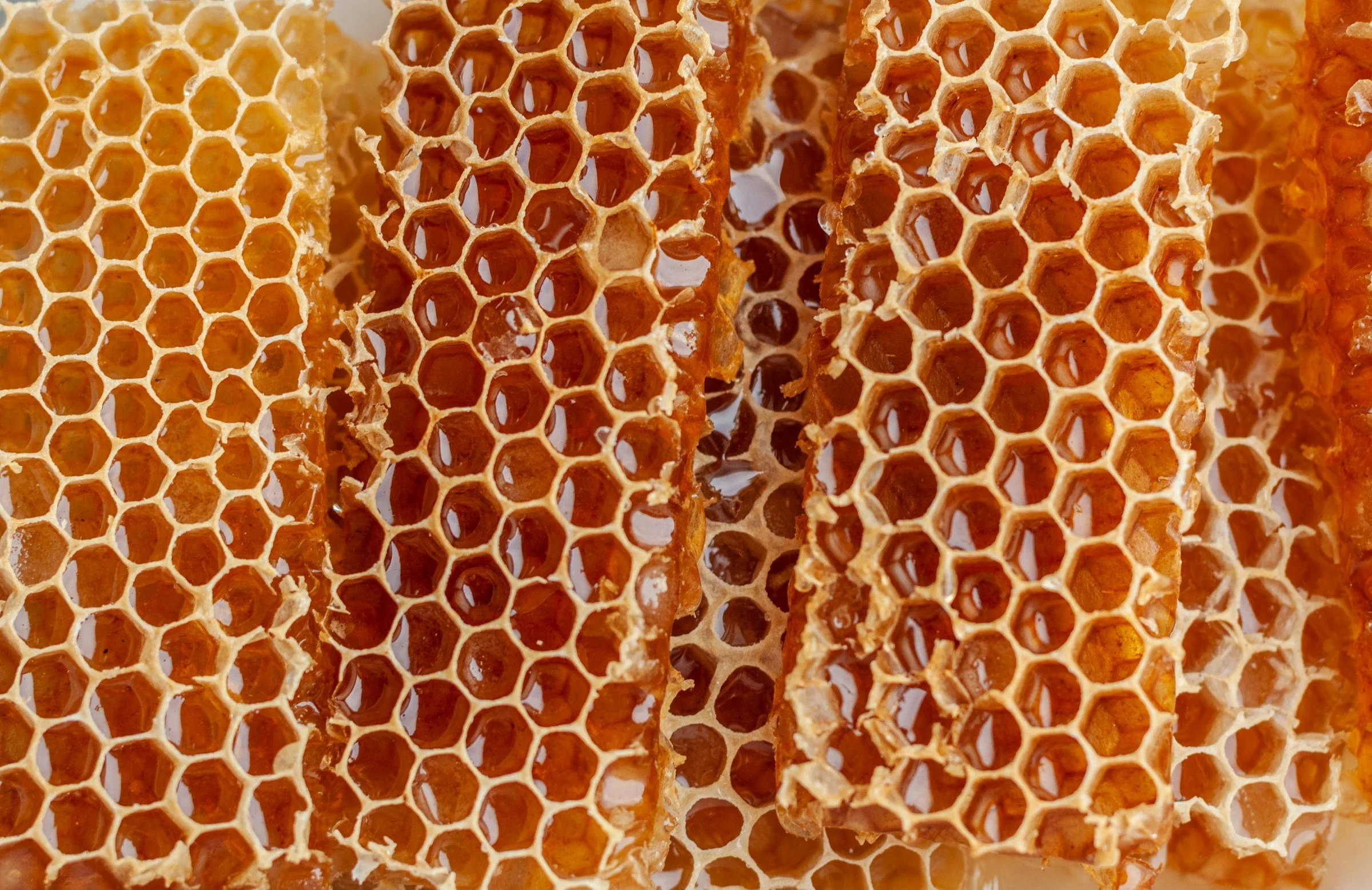
Photo by Cristina Marin on Unsplash
Untapped Potential
Leatherwood honey doesn’t rely on a single headline compound or grading system. Its benefits come from a broader natural profile.
It’s rich in antioxidants, has antimicrobial and anti-inflammatory properties, and is widely used to soothe sore throats, support digestion and assist with wound care. Many people find it gentler and more versatile than Manuka - something you can use daily rather than reserve for when you’re unwell.
There’s also increasing interest in its prebiotic potential, supporting gut health by nourishing beneficial bacteria rather than simply attacking harmful ones.
Beyond the Jargon
Like any premium product, Leatherwood has its share of jargon - talk of peroxide activity and total activity can glaze the eyes. But consumers are becoming less impressed by buzzwords and more interested in provenance. They want fewer technical terms and more evidence of place.
Leatherwood offers exactly that. A single origin. A short harvest window. A fragile ecosystem. And producers who often apply the same rigorous standards to their Manuka - without the global noise that now surrounds it.
In that sense, Leatherwood isn’t a rejection of Manuka. It’s a refinement. A reminder that Tasmania’s real strength isn’t one type of honey, but the environment that produces them both.
Proof in the Eating
Leatherwood honey isn’t trying to replace Manuka - and it doesn’t need to. What it offers instead is something rarer: a product that feels specific, earned and deeply connected to its surroundings.
In a world increasingly drawn to authenticity, Leatherwood’s rise feels less like a trend and more like a correction.
And if the future of premium honey belongs anywhere, it may well be in a small, cool corner of the world - where the air is clean, the forests are ancient, and the bees are still working to a very old rhythm.